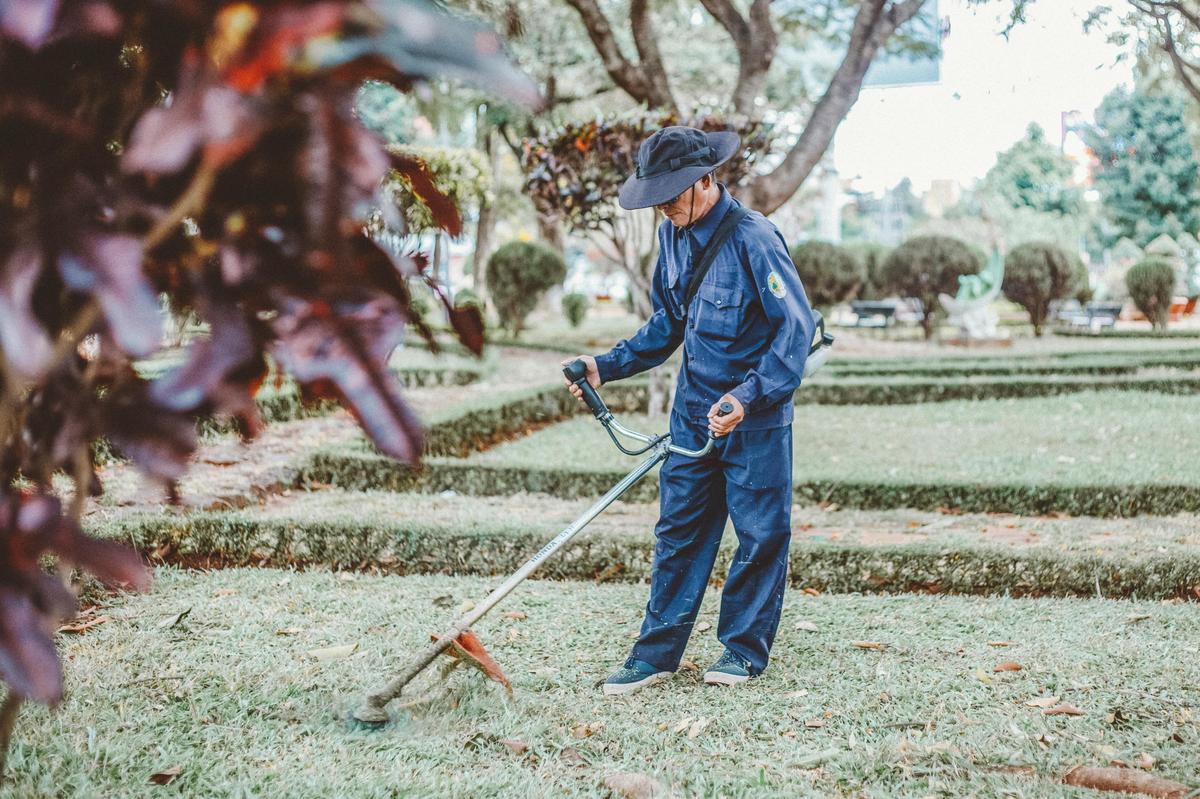
Choosing turf for a Phoenix yard is one of the most consequential decisions a homeowner makes — and one of the most often gotten wrong. Sod that looks beautiful in April can be dead by July if it's the wrong species for Valley conditions. Here's what we've learned from 15+ years maintaining lawns across the Phoenix metro.
Understanding Phoenix Lawn Conditions
Phoenix presents a unique challenge: extreme summer heat (110°F+ soil temperatures), low humidity, intense direct sun, alkaline soil, and hard water with high mineral content. Not all warm-season grasses handle this combination equally. The grasses that work here have specific heat tolerance, drought tolerance, and alkaline soil tolerance — and the ones that don't check all three boxes struggle.
Grass Comparison for Phoenix Conditions
| Grass Type | Heat Tolerance | Water Needs | Shade Tolerance | AZ Recommendation |
|---|---|---|---|---|
| Bermuda (common) | Excellent | Low-medium | Poor | ✅ Top pick for full sun |
| Bermuda (hybrid — Tif419, TifTuf) | Excellent | Low | Poor | ✅ Best overall performance |
| Zoysia (Emerald, Zeon) | Good | Low-medium | Good | ✅ Best for partial shade |
| Buffalo grass | Excellent | Very low | Poor | ⚠️ Coarse; better for low-traffic areas |
| St. Augustine | Moderate | High | Excellent | ❌ Too water-intensive for Valley |
| Fescue (cool season) | Poor | High | Good | ❌ Dies in Phoenix summers |
Our Top Picks for Phoenix
Hybrid Bermuda (TifTuf or Celebration): This is what we recommend most. TifTuf is drought-tolerant, dense, fine-bladed, and handles Phoenix's summer heat better than virtually any other option. It requires full sun (6+ hours) and goes dormant in winter — but that dormancy is brief in the Valley and most homeowners overseed with ryegrass for winter color.
Zeon Zoysia: The best choice for yards with significant shade (from structures, not just trees). Finer-bladed than most zoysia varieties, drought-tolerant, and tolerates Valley conditions well. Slower to establish than bermuda but requires less frequent mowing once mature.
The Winter Overseeding Question
Bermuda goes dormant and turns brown in winter. Most Phoenix homeowners overseed with annual ryegrass in October for winter color. Perennial ryegrass is also popular — it lasts 2–3 years before needing replacement, looks slightly better, and handles foot traffic well. The overseeding transition back to bermuda in spring requires a "transition" period where the ryegrass dies back — this is normal and not a sign of a problem.
If you're planning new sod or lawn renovation, we offer free site assessments and will tell you exactly which product performs best for your specific yard conditions — sun exposure, traffic patterns, irrigation setup, and soil type all factor in.